
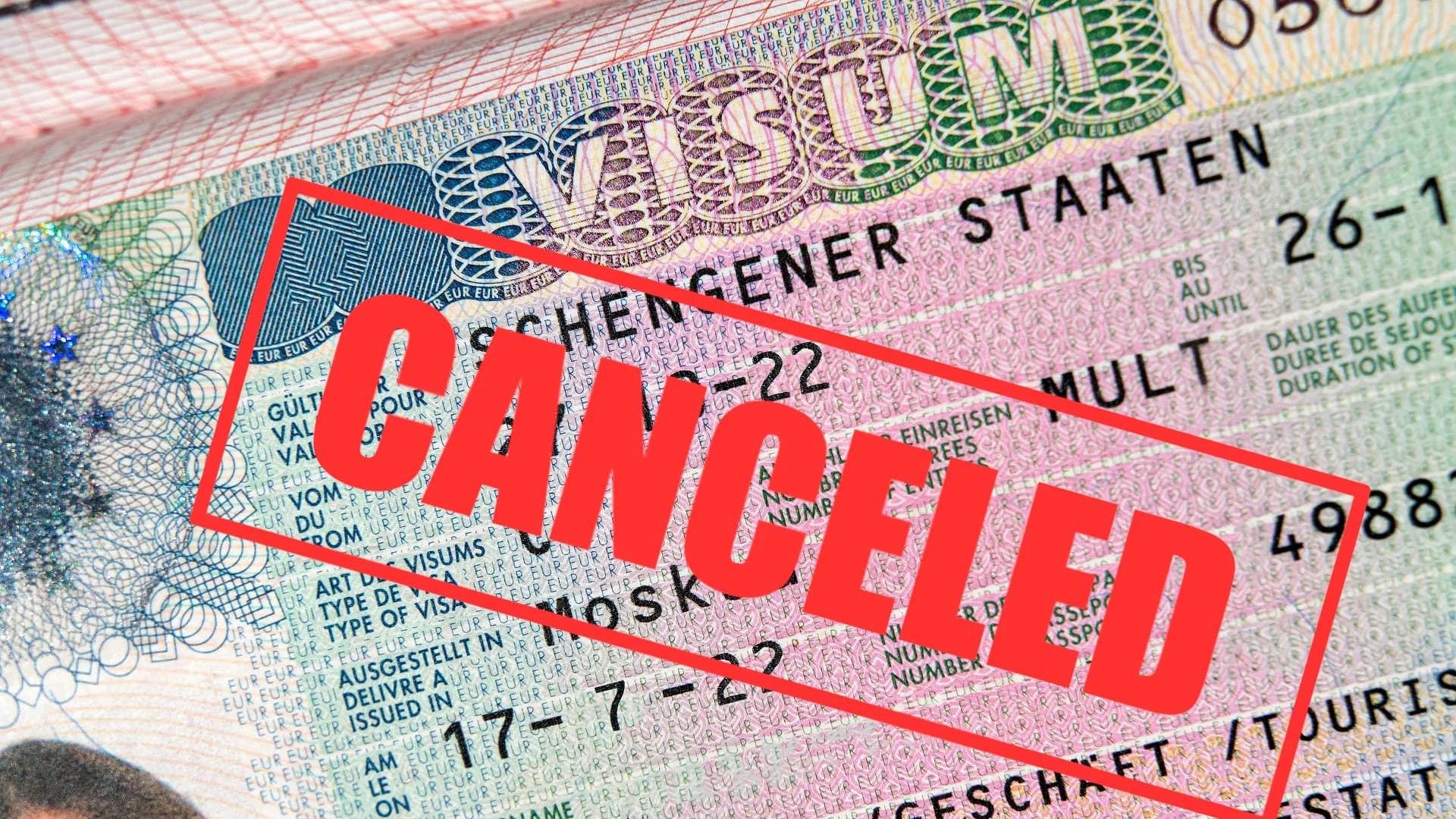
Top Mistakes to Avoid When Applying for a Schengen Visa
Applying for
a Schengen visa can open the door to exploring 27 beautiful European countries.
However, many applicants face rejection due to small but critical mistakes.
Understanding these common errors can significantly increase your chances of
approval and save you time, money, and stress.
Here are the
top mistakes to avoid when applying for a Schengen visa, explained
clearly and simply.
1.
Submitting Incomplete or Incorrect Documents
One of the
most common reasons for Schengen visa rejection is incomplete or incorrect
documentation.
Common
issues include:
- Missing documents
- Outdated forms
- Incorrect passport copies
- Unclear or blurry scans
Tip: Always double-check the embassy’s
checklist and ensure all documents are complete, accurate, and up to date
before submission.
2.
Choosing the Wrong Embassy or Consulate
Many
applicants apply to the wrong Schengen embassy.
You must
apply:
- At the embassy of the country
you will spend the most time in
- Or the country of first entry,
if visiting multiple countries for equal durations
Applying to
the wrong embassy can result in immediate rejection.
3. Weak
or Unclear Travel Itinerary
A vague or
unrealistic travel plan raises red flags.
Mistakes
include:
- No clear travel dates
- Missing accommodation details
- Unrealistic movement between countries
Tip: Provide a clear day-by-day itinerary
with confirmed hotel bookings and realistic travel routes.
4.
Insufficient Proof of Financial Means
Schengen
countries require proof that you can support yourself during your stay.
Common
mistakes:
- Low bank balance
- Sudden large deposits without
explanation
- Missing bank statements
Tip: Submit bank statements for the
required period and ensure they reflect stable financial activity.
5.
Invalid or Insufficient Travel Insurance
Travel
insurance is mandatory for a Schengen visa.
Mistakes
include:
- Insurance not covering all
Schengen countries
- Coverage dates not matching
travel dates
- Insurance below Schengen
requirements
Tip: Make sure your insurance meets
Schengen standards and covers your entire stay.
6.
Providing Inconsistent or False Information
Any
inconsistency between your documents and application form can lead to
rejection.
Examples:
- Different travel dates across
documents
- Incorrect employment details
- False statements or forged
documents
Important: Even small inconsistencies can
affect your credibility.
7. Weak
Cover Letter or No Cover Letter
A cover
letter explains:
- Purpose of travel
- Travel plan
- Financial situation
- Intention to return
Many
applicants skip this or submit a poorly written letter.
Tip: Write a clear, honest, and
well-structured cover letter supporting your application.
8. Poor
Travel History or Overstays
Previous
visa violations, overstays, or immigration issues can negatively impact your
application.
Even lack of
travel history can be a concern for some embassies.
Tip: Be transparent about your travel
history and provide supporting documents where needed.
9.
Applying Too Late or Too Early
Timing
matters.
Mistakes
include:
- Applying too close to travel
dates
- Submitting documents in a rush
Tip: Apply well in advance to allow time
for corrections and processing.
10.
Ignoring Embassy-Specific Requirements
Each
Schengen country may have slightly different requirements.
Many
applicants assume all embassies follow the same rules — they don’t.
Tip: Always check the specific embassy’s
guidelines before applying.
A Schengen
visa rejection doesn’t always mean you’re not eligible — most rejections happen
due to avoidable mistakes. With proper preparation, accurate documents, and a
clear travel plan, your chances of approval increase significantly.
Take your
time, follow the guidelines carefully, and seek professional assistance if
needed. A well-prepared application is the key to a smooth and successful
Schengen visa experience.




0 Comments